I’m Joshua Sortino, a Miami + NYC-based Design Director, advisor, and investor. I will improve your startup’s user experience, design culture, and team. We should talk →


Reinventing the business bank account
Design Director · brex.com · 2020 – 2022
- $12.3Bvaluation reached in 2022
- 2×revenue growth in 2021
- 80%of Y Combinator startups use Brex
A bank account tailored for modern businesses
Brex started as a corporate card. Brex Cash turned it into a full business account, so startups could hold their money, pay by ACH, wire, or check, earn yield on their balance, and manage all of it alongside the card. As the Design Director for Cash, I led design across the account itself, money movement, and the financing products built on top of it.
Leading the Cash design organization
I built and led the Cash design team — a group of ten designers and design leads organized around four pillars, each paired with its own engineering and product org.
-
Core Banking
The rails: sending, receiving, and adding funds, treasury management, and payments infrastructure.
-
Cash OS
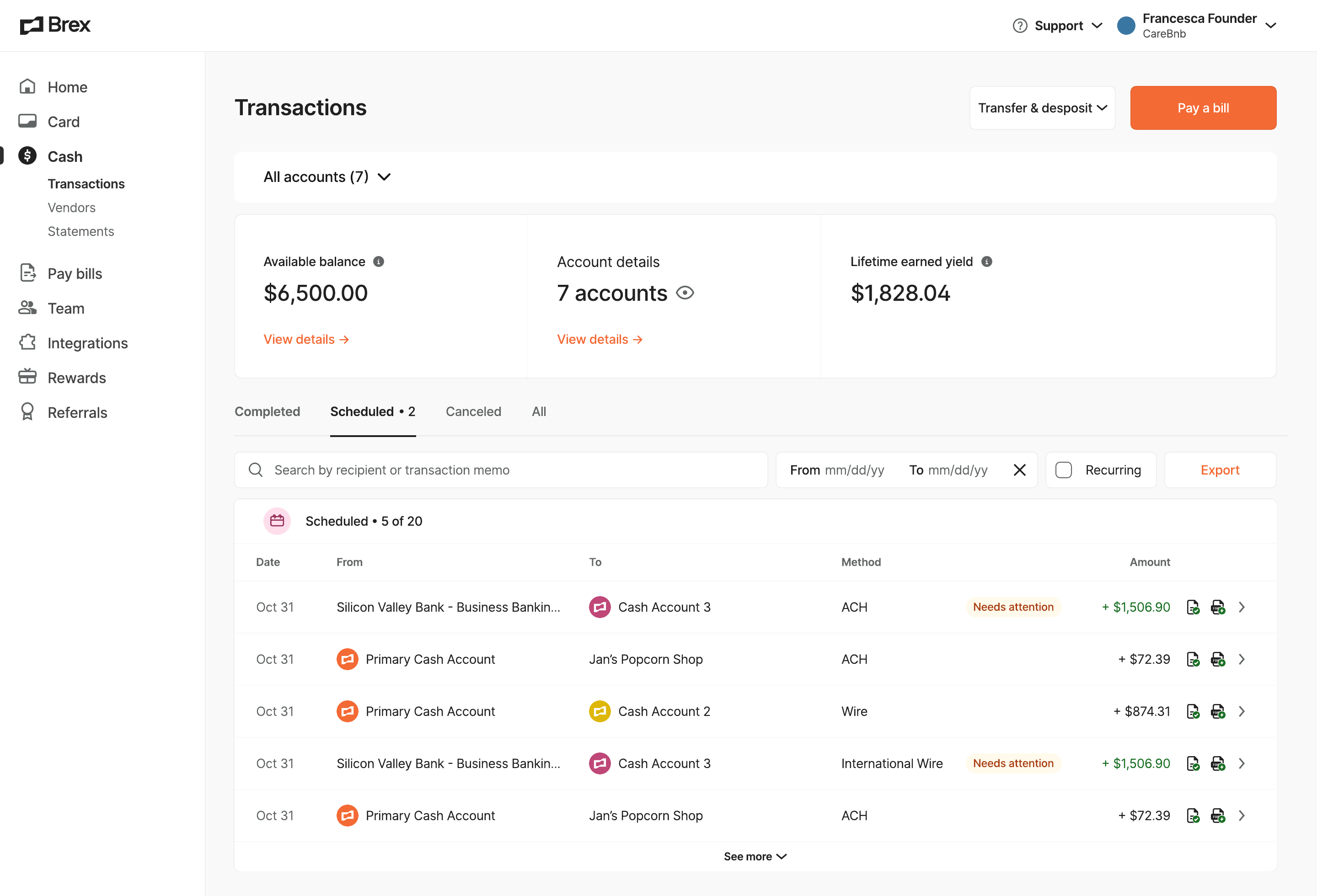
Making Cash the best “bank account” for businesses — onboarding, transactions, statements, and the daily surface.
-
Financing
Access to funding and capital: revenue-based financing for ecommerce and lending against the account.
-
Design Ops
Organizational efficiency — the hiring, rituals, and copy standards that let the team scale.

Money out, without the bank branch
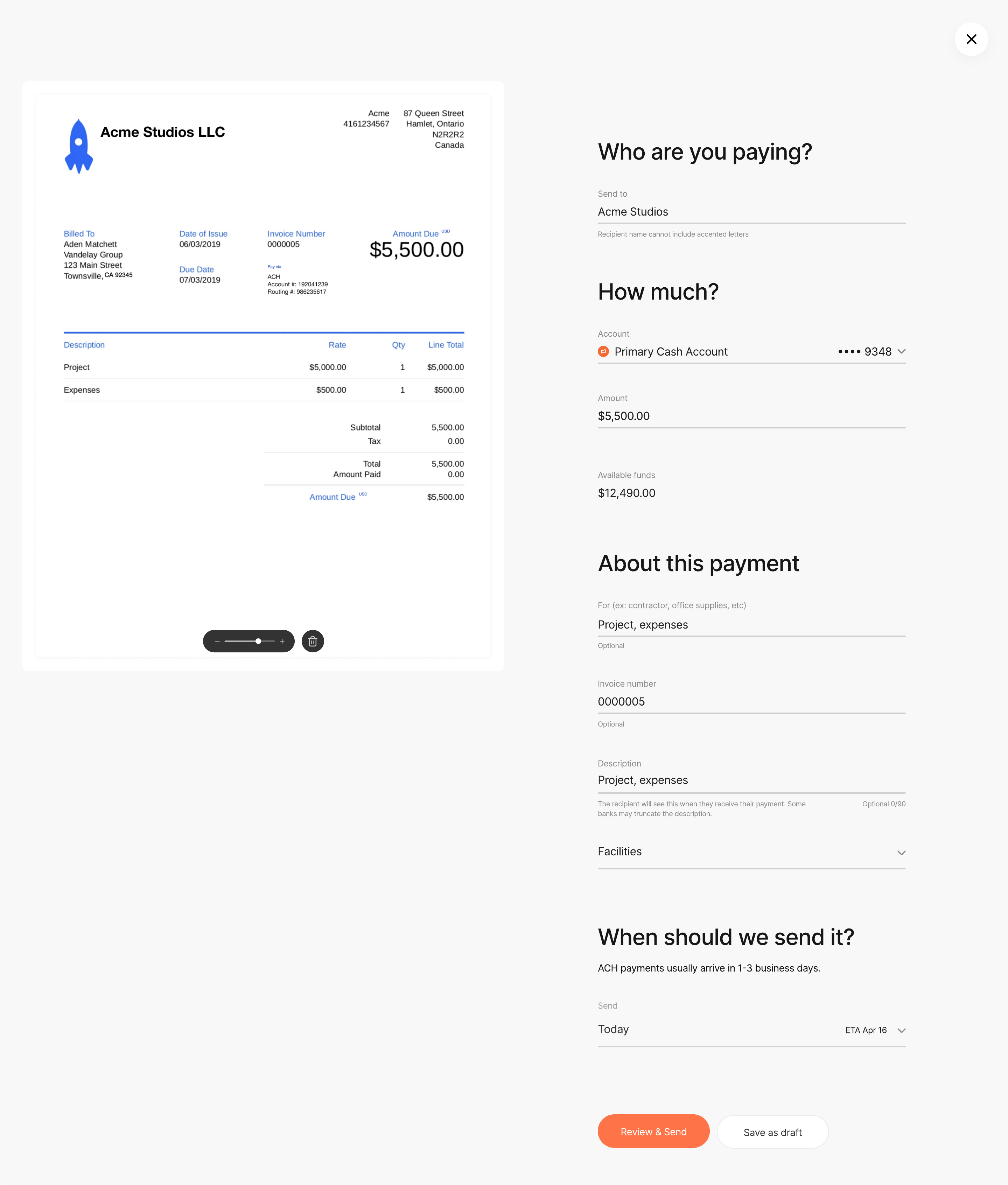
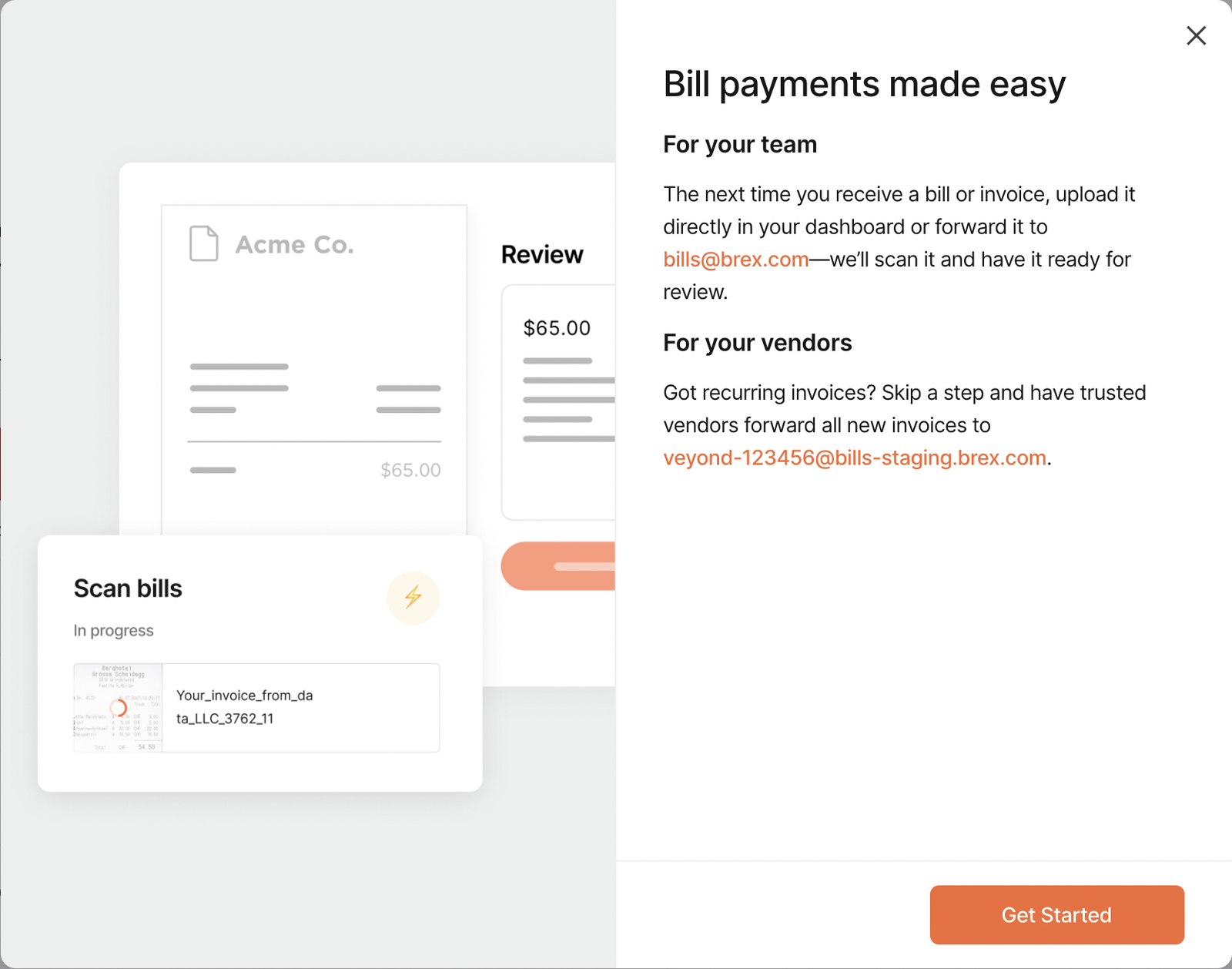
Paying an invoice at a traditional bank means re-keying a PDF into a wire form. In Brex, the invoice itself sits beside the payment: upload a bill, and the details are read into the form while the original stays in view. ACH, checks, and domestic and international wires all leave from the same flow, free.
Getting paid, built in
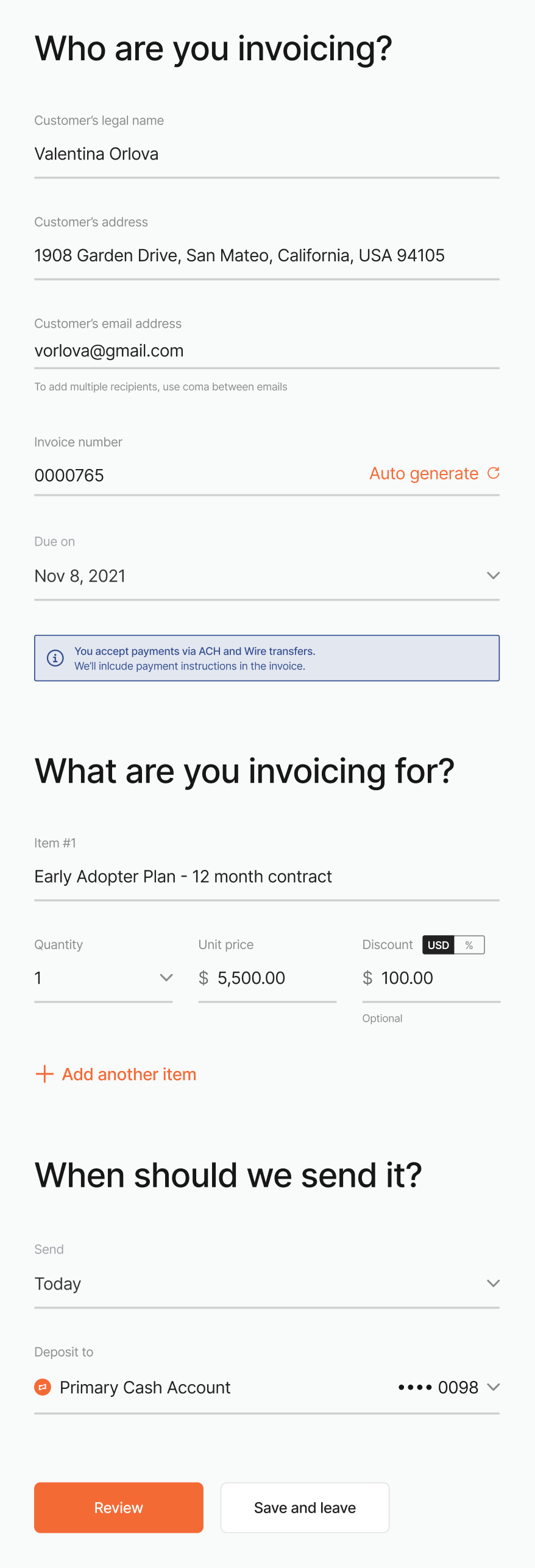
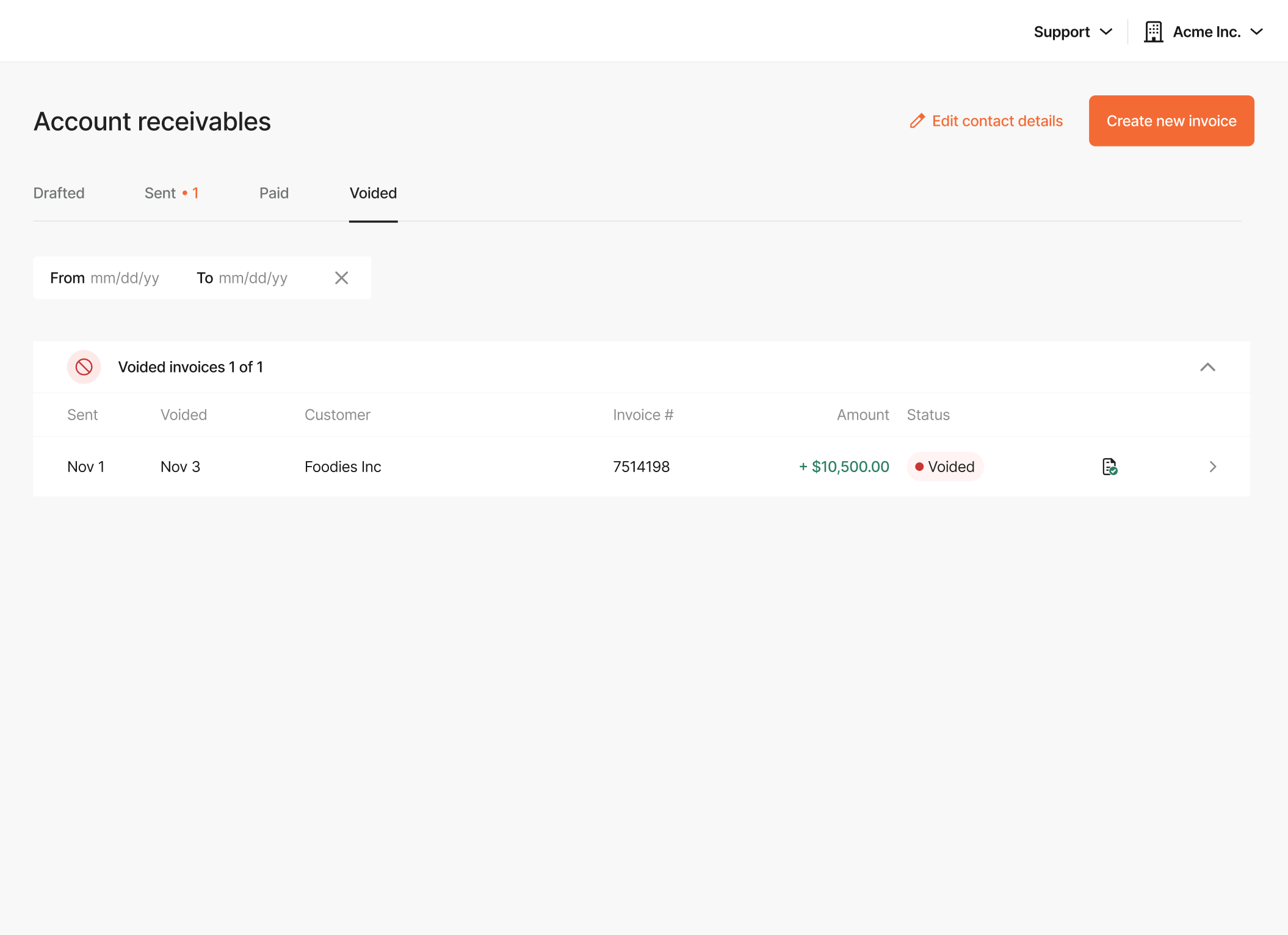
Money-in got the same treatment as money-out. Invoicing lives inside the account — create an invoice, send it, and track it from draft to paid without leaving Brex, with receivables deposited straight into Cash.
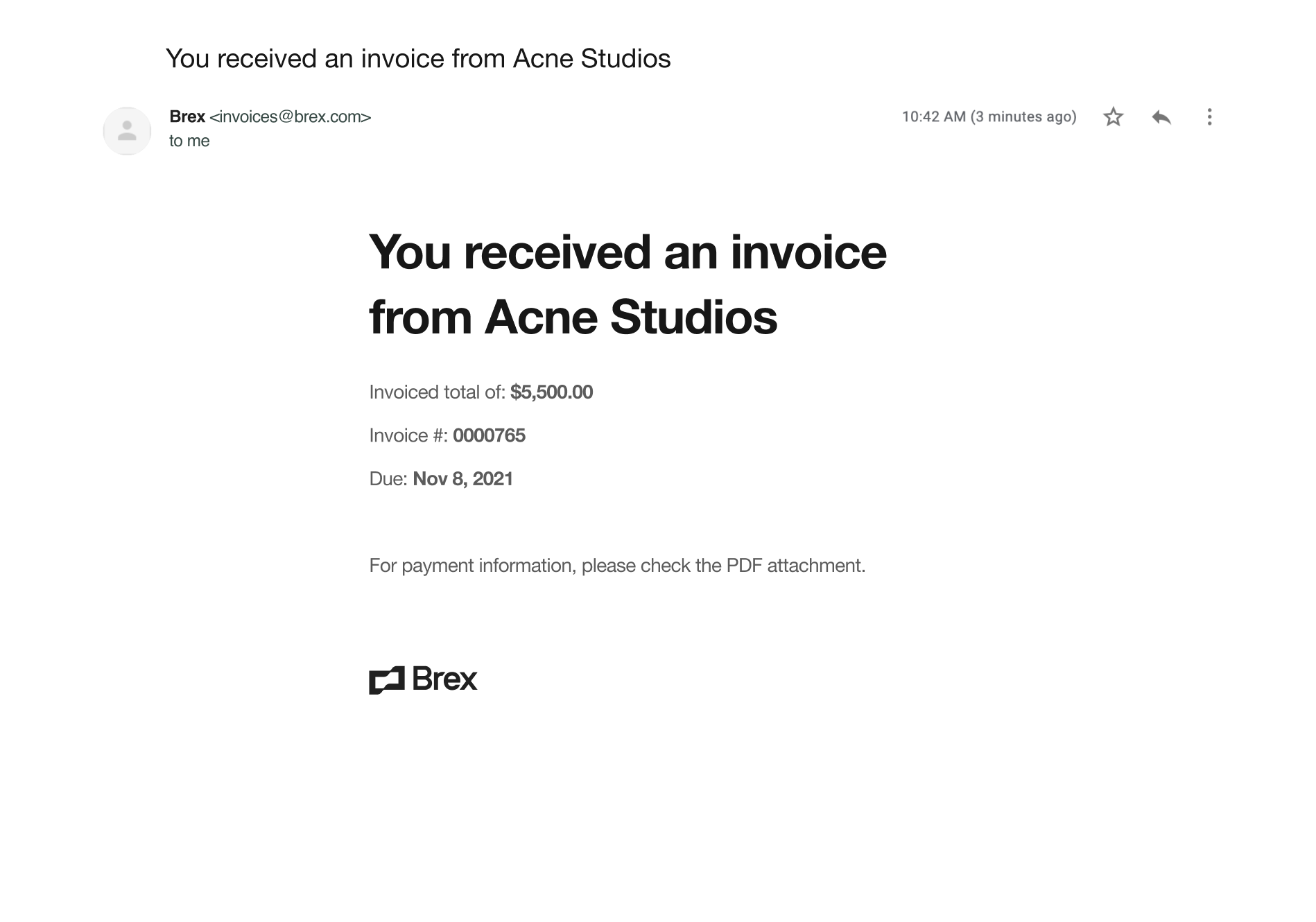
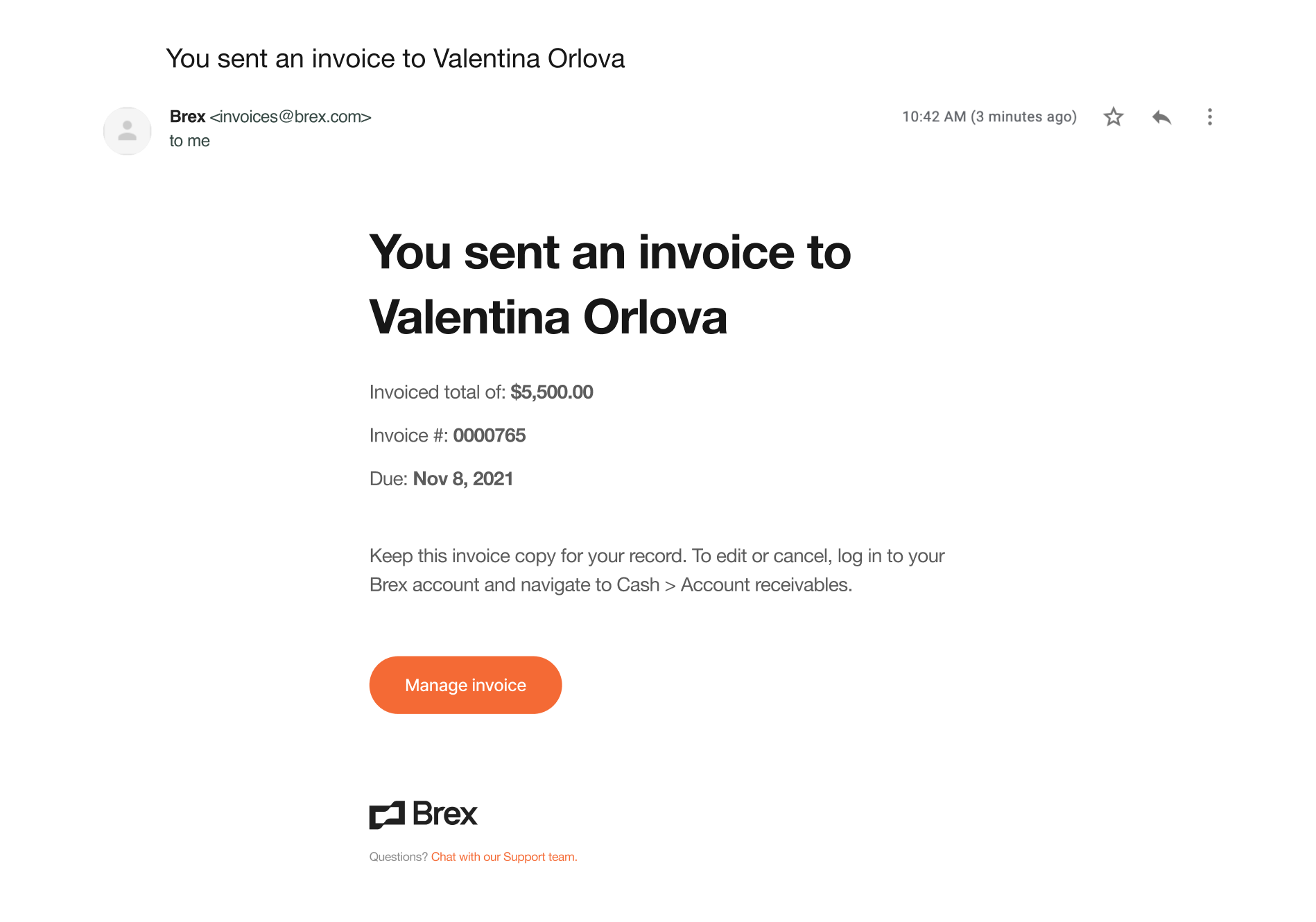
Both sides of the invoice get a designed moment: the customer’s copy with payment instructions, the vendor’s copy with control.

Spending revenue before it lands
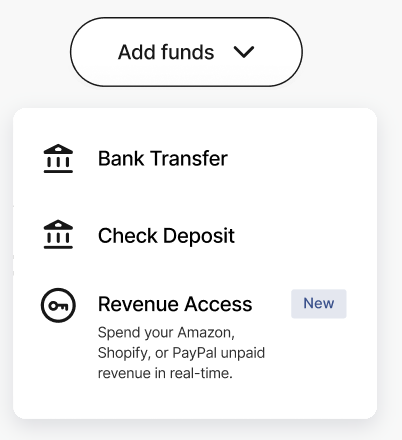
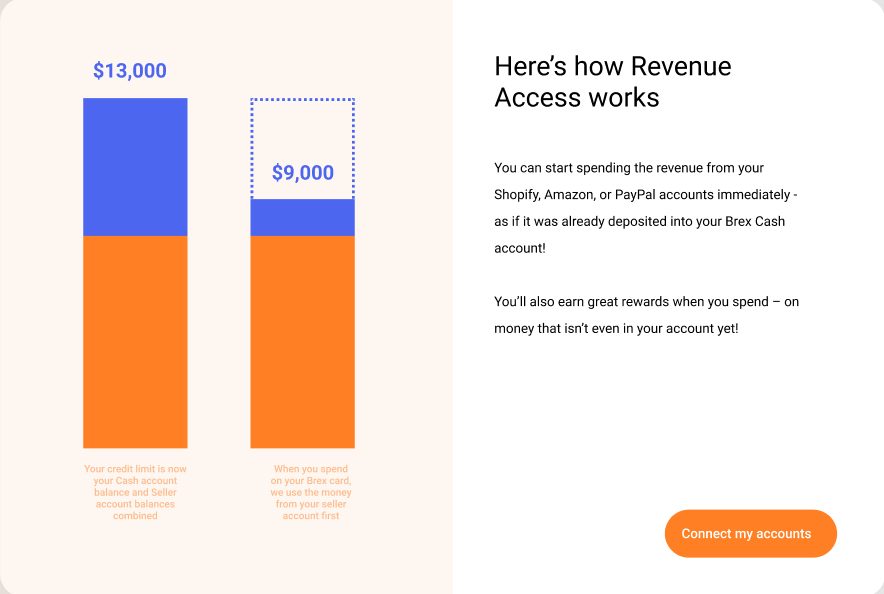
Ecommerce founders wait on payouts from Amazon, Shopify, and PayPal. Revenue Access let them spend that unpaid revenue right away: connect a seller account, and its balance counts toward the card’s limit alongside the Cash balance, with card spend drawn from the seller account first.
Guardrails on the account
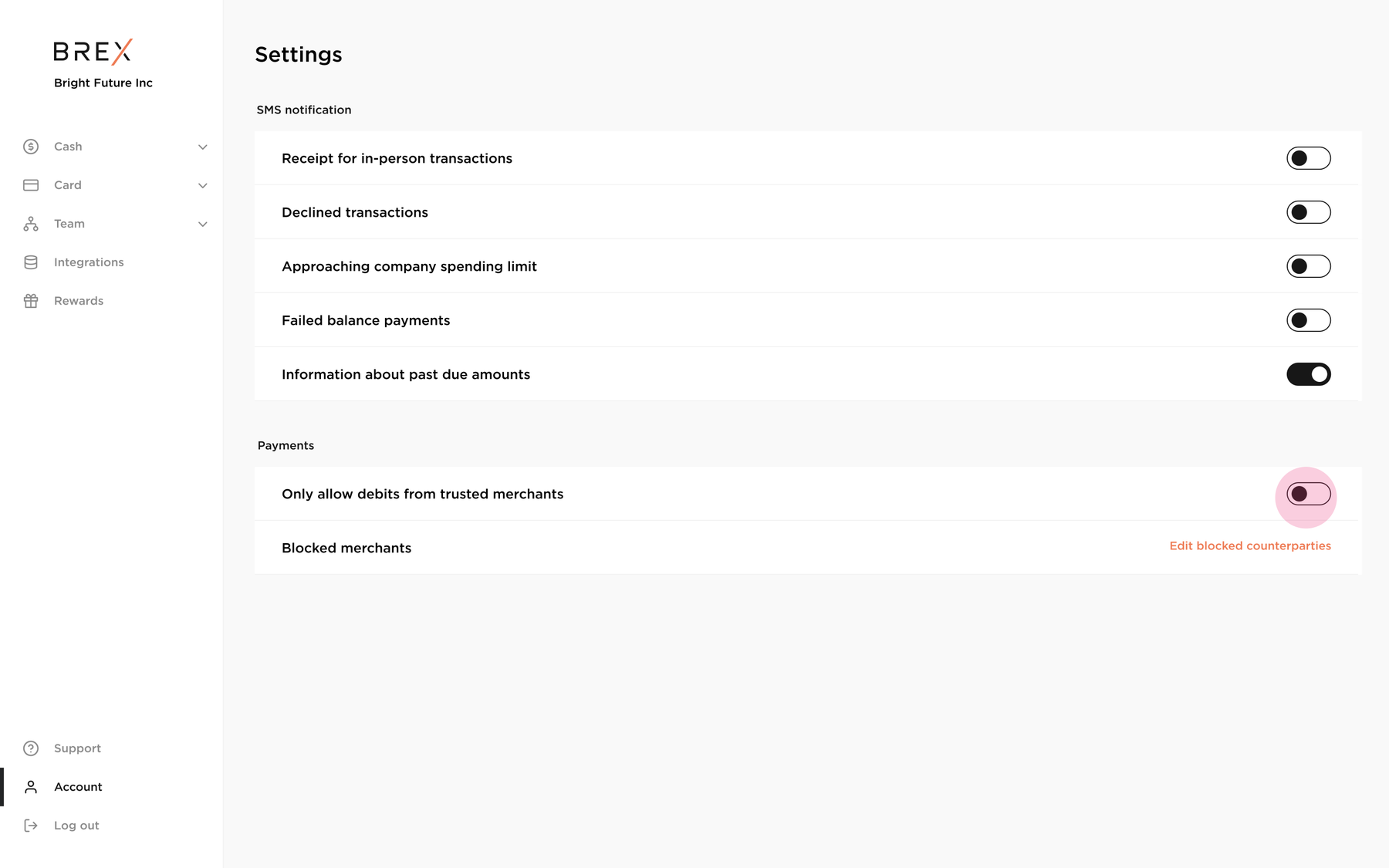
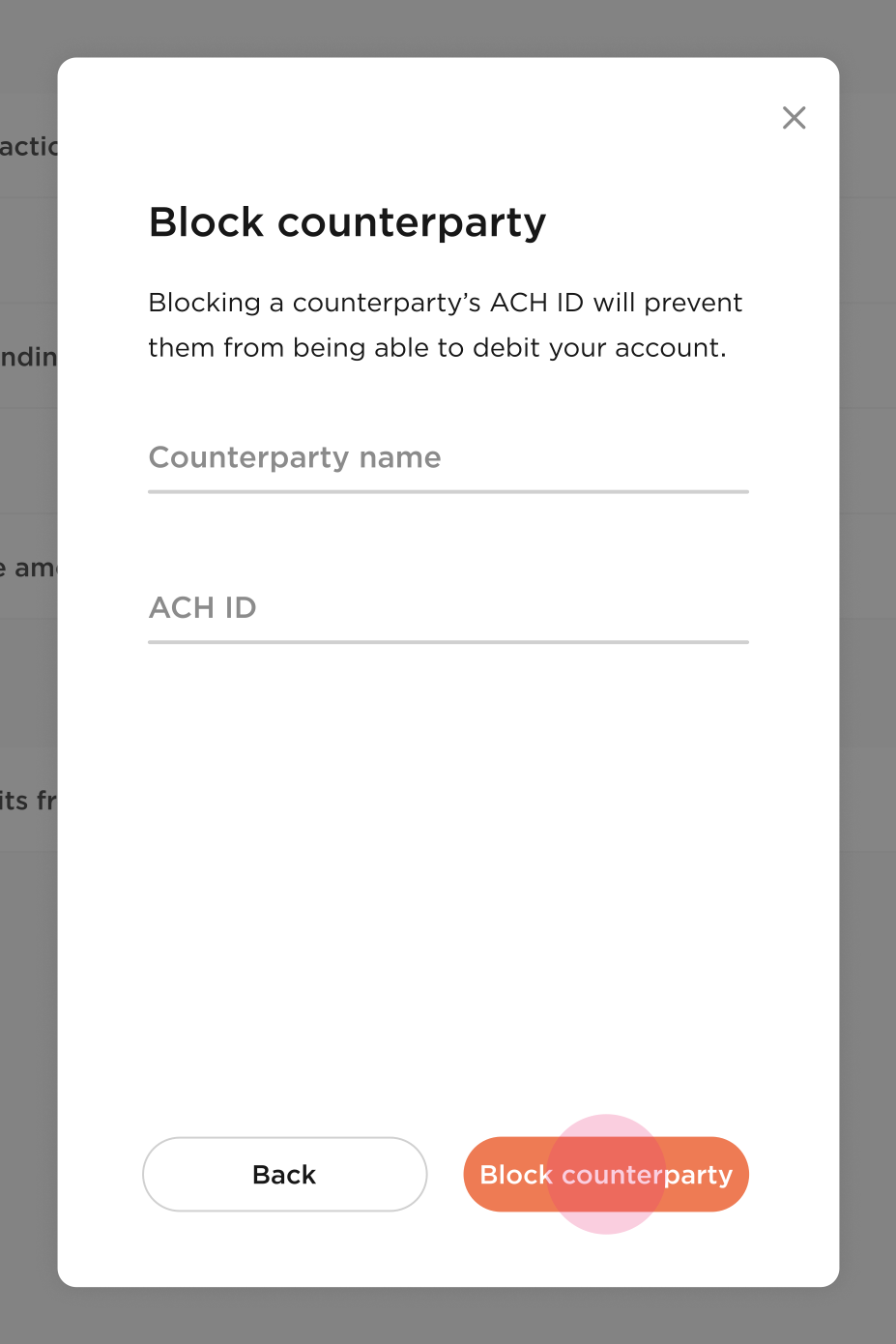
An account number is all it takes to pull money from a business by ACH, so Cash gave businesses control over who can. Debits can be limited to trusted merchants, and any counterparty can be blocked by its ACH ID.
A bank that knows about payroll
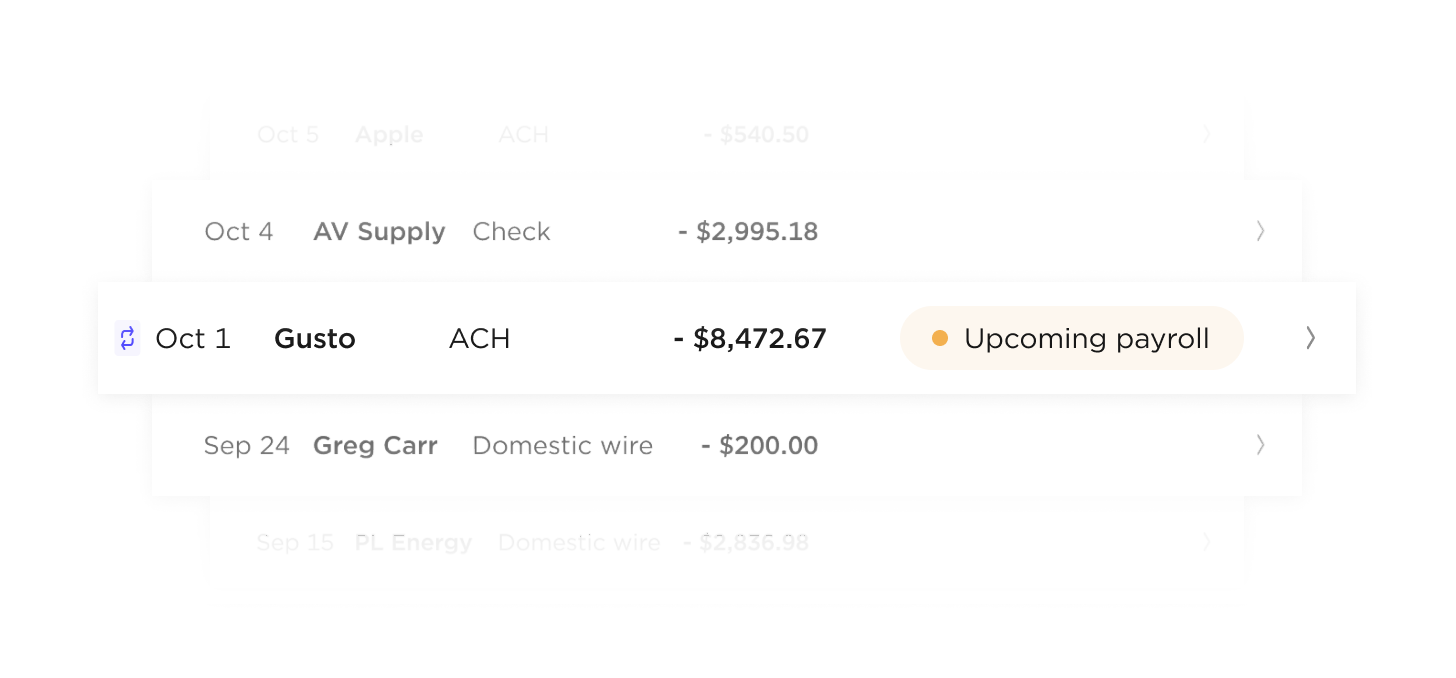
Because Brex integrates with the tools a startup already runs on, the account can see ahead. Connect Gusto and upcoming payroll shows up in the transaction feed before it happens — the balance you see is the balance you’ll actually have.
The bank in your pocket
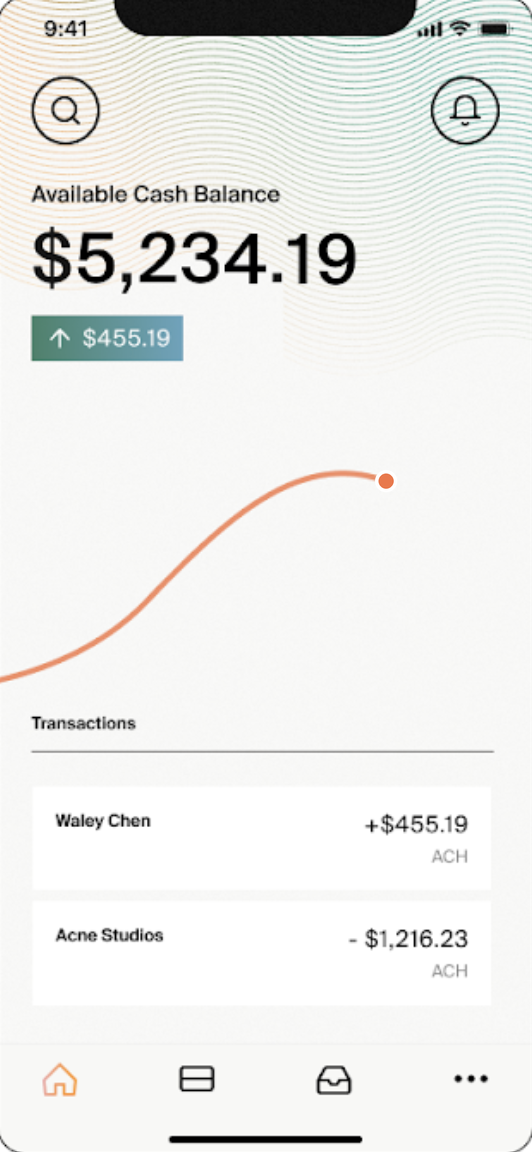
Cash shipped on mobile with the parts of banking a founder reaches for away from a desk: the balance, payment requests waiting on review, and financing offers — long-term capital and instant payouts — a tap away.
Left: the Cash home screen. Right: Brex Capital — financing offers and loan history, live on the phone.
Learnings
Brex grew fast while I was there, and kept going after. The startup card became the platform Capital One bought to lead its push into business payments.
-
April 2021
A $425 million Series D values Brex at $7.4 billion.
-
January 2022
A $300 million Series D-2 lifts the valuation to $12.3 billion, after revenue roughly doubled in 2021.
-
January 2026
Capital One agrees to acquire Brex for $5.15 billion in stock and cash, the largest bank–fintech deal on record.
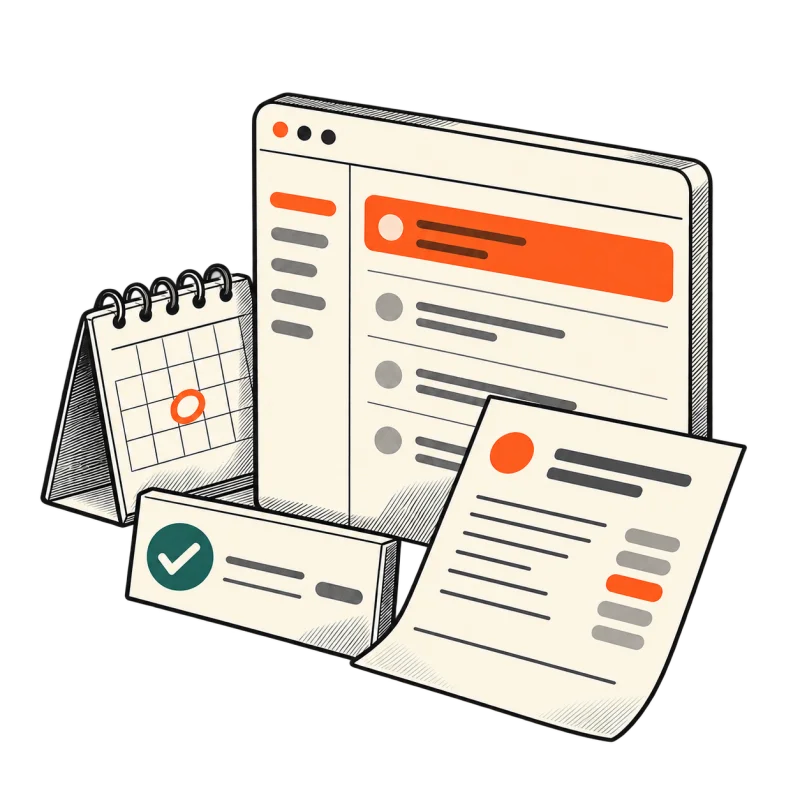
Treat the account like software
People judged Cash by the moments around their money: seeing payroll before it hit, reading an invoice beside the payment, getting paid without leaving the app. The balance was table stakes. What mattered was whether the account already knew what came next.
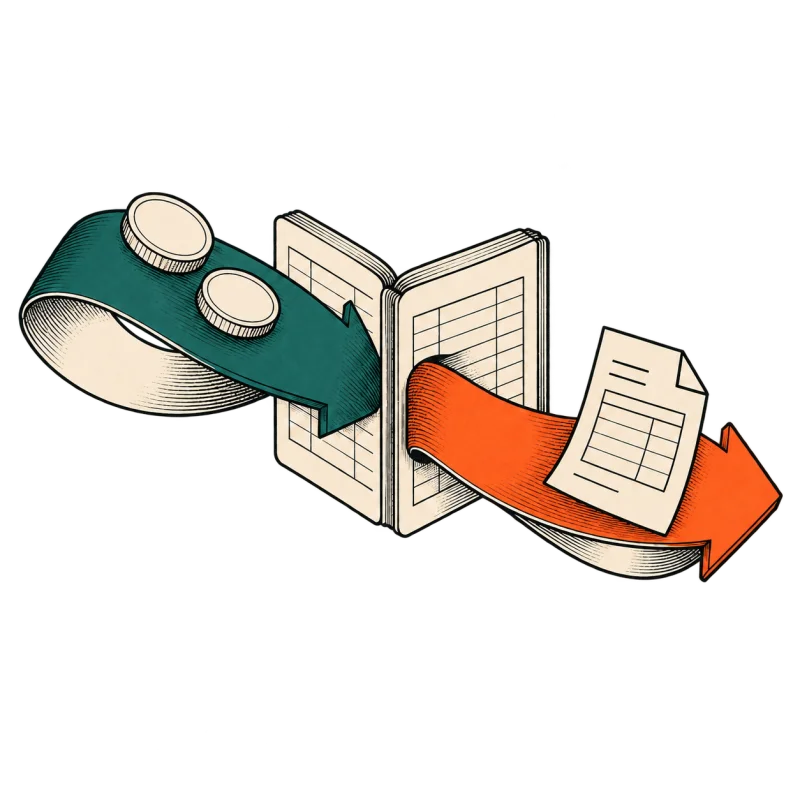
“Money in” deserves as much care as “money out”
Banks design for sending. Startups live or die on getting paid, so invoicing, receivables and Revenue Access got the same attention as Bill Pay. They’re what made Cash feel like an operating account instead of a vault.
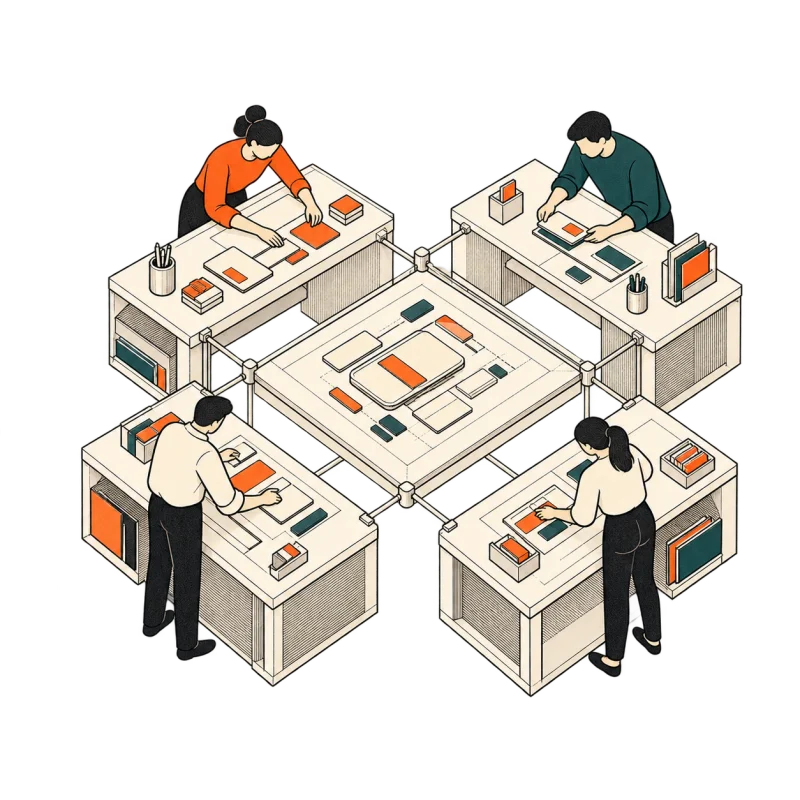
Organize the team around the product
Pairing each design pillar with its own engineering and product org kept decisions close to the work. Designers owned outcomes in their area, and shared rituals like the heuristics workshop and Design Highlights kept the pillars from drifting apart.


